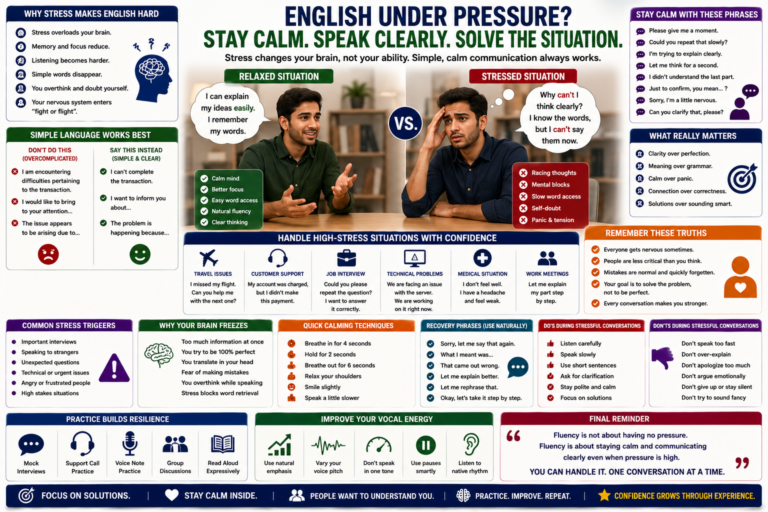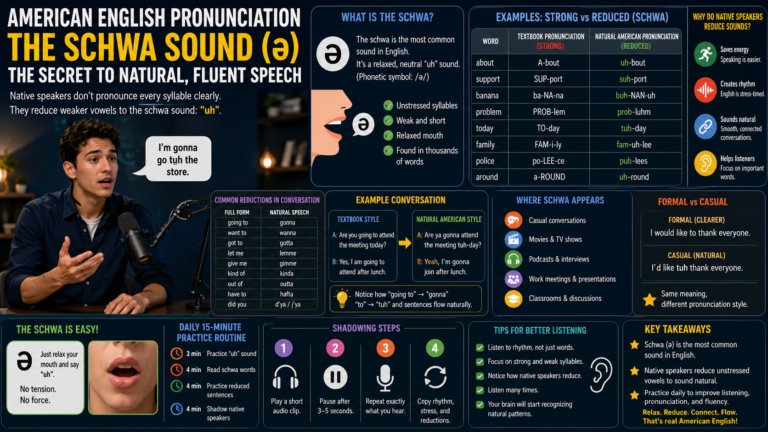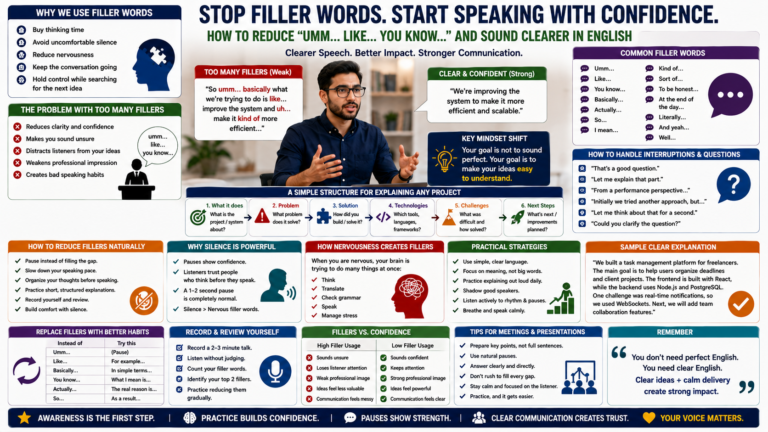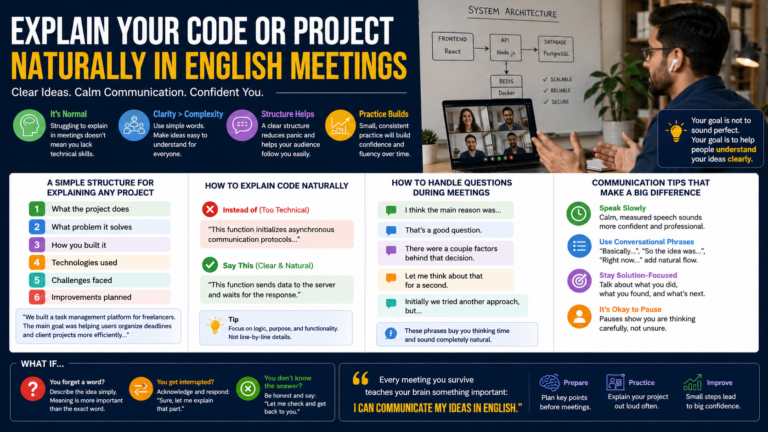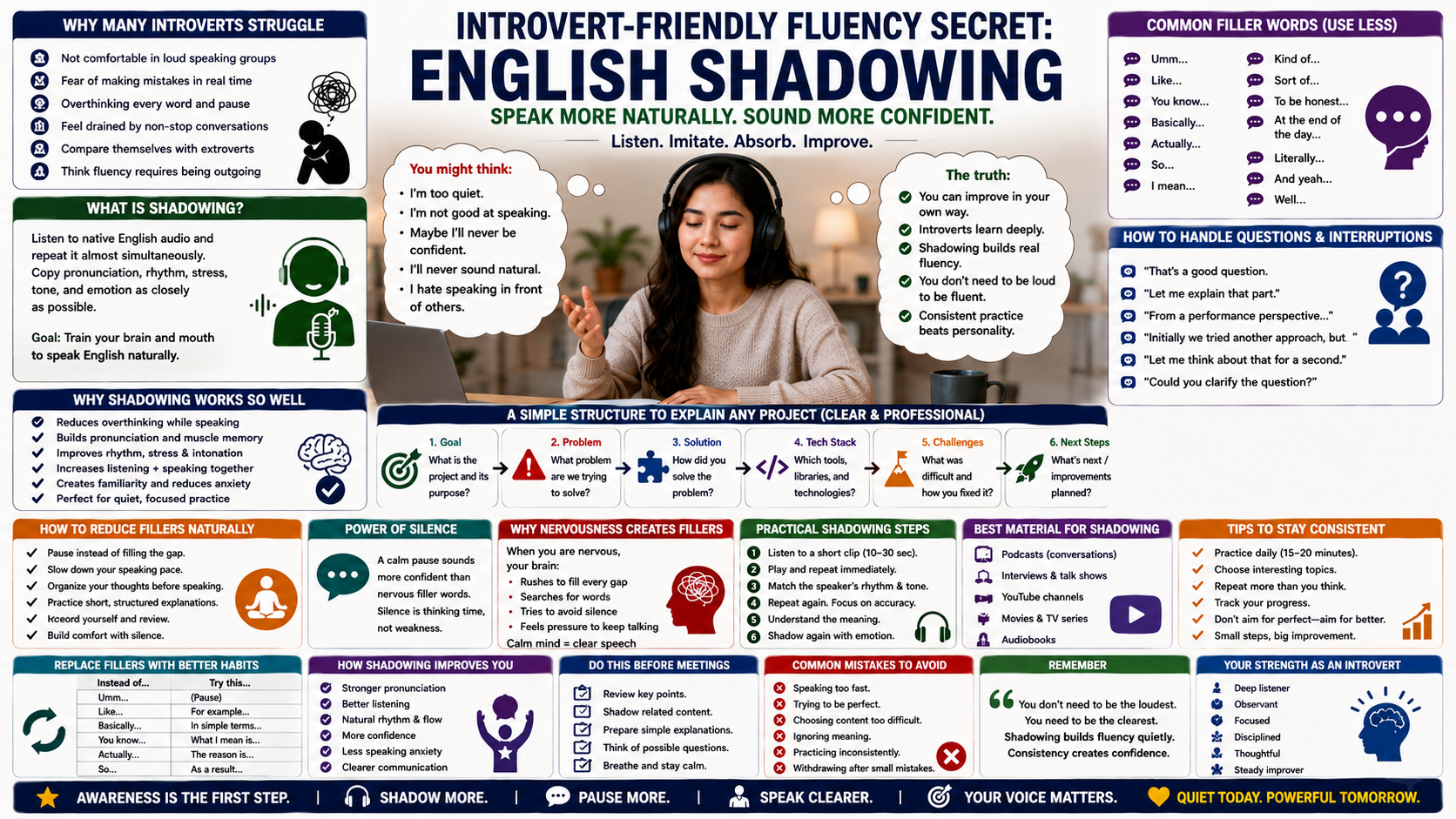
The Introvert-Friendly Fluency Secret: How to Practice English Shadowing at Home Without the Exhausting Social Pressure
One of the most misunderstood things about learning spoken English is the assumption that the fastest learners are always the loudest people in the room.
Honestly, this belief quietly discourages a huge number of introverted learners.
A lot of introverts secretly feel like they are “bad” at spoken English simply because they do not naturally enjoy constant social interaction, nonstop conversation practice, loud speaking groups, or highly energetic communication environments. They see extroverted learners speaking confidently during live classes, group discussions, voice chats, networking events, or online speaking rooms and immediately start assuming:
“Maybe I’m just not naturally good at speaking English.”
“Maybe I’m too quiet.”
“Maybe fluency requires being outgoing.”
“Maybe I’ll never sound confident because I’m introverted.”
And honestly, this creates a very frustrating emotional experience because many introverts are actually excellent learners internally.
They observe deeply.
They notice pronunciation carefully.
They analyze sentence patterns naturally.
They absorb rhythm quietly.
They pay attention to details many louder learners completely miss.
But because modern language-learning culture heavily glorifies visible speaking confidence, introverted learners often underestimate their own strengths completely.
This is where shadowing becomes incredibly powerful.
Because honestly?
English shadowing is one of the most introvert-friendly fluency techniques ever created.
And strangely, many learners still do not fully understand how transformative it can become when practiced correctly.
For people who have never heard the term before, shadowing is a speaking practice technique where you listen to native English audio and repeat it almost simultaneously, copying:
pronunciation,
rhythm,
tone,
stress,
emotion,
sentence flow,
and speaking speed as closely as possible.
Instead of only studying grammar rules or memorizing vocabulary, you begin training your brain and mouth to move together naturally in real conversational rhythm.
And this matters enormously because one of the biggest problems English learners face is not lack of knowledge.
It is lack of automatic speaking flow.
Many learners understand English intellectually but still struggle speaking smoothly in real life. Their brain knows vocabulary. Their brain understands grammar. But their mouth still feels slow, hesitant, stiff, or disconnected during live communication.
That disconnect creates frustration.
Especially for introverts.
Because introverts often prefer practicing privately before speaking publicly. They usually want emotional safety while improving skills. They like repetition, quiet concentration, and controlled learning environments.
Traditional speaking practice often ignores this completely.
A lot of English advice online basically sounds like:
“Just talk to strangers constantly.”
“Join random voice chats.”
“Speak nonstop every day.”
“Force yourself into conversations.”
Now honestly, while real conversations absolutely matter eventually, many introverts find these approaches emotionally exhausting in the beginning.
Not because they are weak.
Not because they are incapable.
But because introverts often process stimulation differently.
Constant social interaction drains energy faster.
High-pressure speaking environments create mental overload.
And unfortunately, many introverted learners begin associating English speaking with emotional exhaustion instead of growth.
That’s why shadowing feels different psychologically.
Because shadowing allows introverts to practice spoken English intensely without immediate social pressure.
No judgment.
No interruption.
No awkward silences.
No fear of embarrassing mistakes in front of strangers.
Just focused repetition and gradual speaking development.
And honestly, this emotional safety changes everything.
One important thing many people misunderstand about introverts is this:
Introverts are not necessarily afraid of communication.
They are often overwhelmed by excessive social stimulation.
That distinction matters enormously.
Actually, many introverts communicate extremely well once they feel mentally prepared and emotionally comfortable. In fact, some introverts become excellent speakers precisely because they spend more time observing and processing communication deeply before speaking.
Shadowing works beautifully with this personality style because it allows learners to:
listen carefully,
analyze deeply,
practice privately,
repeat naturally,
and improve gradually without emotional chaos.
Another interesting reality is that many introverts secretly have strong internal pronunciation awareness already.
They notice tone changes.
They hear emotional rhythm.
They recognize unnatural phrasing.
They detect subtle pronunciation differences.
But because they speak less frequently in public, they often underestimate how much their listening ability can accelerate speaking development.
Shadowing connects listening and speaking together in a very powerful way.
Actually, one of the biggest speaking frustrations introverts experience is this strange feeling:
“I know what I want to say internally, but speaking still feels difficult externally.”
That happens because understanding language mentally and producing language physically are different skills.
Your brain may fully understand English while your mouth still lacks speaking automation.
Shadowing trains that automation directly.
And honestly, this is where many traditional study methods fail.
A lot of learners spend years:
reading,
watching,
memorizing,
and studying English passively.
But spoken fluency requires mouth training too.
Speaking is physical.
Your tongue,
breathing,
jaw movement,
speech rhythm,
sentence timing,
and pronunciation coordination all matter.
Shadowing develops those physical speaking habits naturally through repetition.
Another reason shadowing works especially well for introverts is because introverts often enjoy focused solo improvement more than chaotic social learning environments.
Shadowing creates structured progress.
You can practice:
alone,
quietly,
daily,
without performance pressure.
And honestly, consistency becomes much easier when practice feels emotionally manageable instead of socially draining.
There’s another emotional layer here too.
Many introverts secretly fear sounding unnatural while speaking English.
Because introverts often spend more time internally analyzing themselves during conversations, they become extremely aware of:
pronunciation mistakes,
awkward pauses,
grammar uncertainty,
speaking speed,
or conversational flow.
This self-awareness sometimes creates speaking hesitation.
Shadowing helps reduce that hesitation because repeated exposure slowly builds speaking familiarity.
Your mouth begins recognizing natural rhythm automatically.
Your brain stops translating every sentence manually.
Speech becomes smoother.
Less forced.
More automatic.
And honestly, that gradual automation changes confidence dramatically.
One thing I’ve personally noticed is that introverts often improve very quickly once they discover speaking methods that match their energy style instead of fighting against it.
That’s important.
Because many introverts spend years thinking:
“I need to become extroverted to become fluent.”
Not true.
You do not need to transform your personality completely.
You simply need communication methods that work with your psychology instead of against it.
And shadowing does exactly that.
Another major advantage of shadowing is emotional repetition.
Introverts often enjoy mastering patterns deeply through repetition. Shadowing naturally creates repeated exposure to:
sentence structures,
pronunciation patterns,
common reactions,
conversational transitions,
and emotional tone.
Eventually your brain starts predicting English rhythm automatically.
That’s when speaking starts feeling less mentally heavy.
Actually, one of the biggest fluency breakthroughs learners experience is not vocabulary growth.
It is rhythm familiarity.
Because real spoken English moves differently from textbook English.
Native speakers connect words together.
Reduce sounds.
Change stress patterns.
Pause emotionally.
React naturally.
Shadowing exposes introverts to this authentic rhythm repeatedly in a low-pressure environment.
Another thing many learners misunderstand is that shadowing is not mindless parroting.
Good shadowing is active listening combined with active imitation.
You are training:
pronunciation,
timing,
intonation,
emotion,
and speaking flow simultaneously.
And honestly, introverts are often naturally strong imitators because they observe communication carefully.
There’s also a huge emotional difference between:
performing English,
and absorbing English.
Many introverts hate “performing” socially under pressure.
But they love quietly mastering skills deeply.
Shadowing feels more like absorption than performance.
That’s why it becomes sustainable.
And sustainable practice usually creates faster long-term improvement than emotionally exhausting practice.
Another interesting thing is that shadowing can slowly reduce speaking anxiety itself.
Why?
Because repeated imitation creates familiarity.
Your brain stops treating English sounds like unfamiliar territory.
Speaking patterns become emotionally normal.
And honestly, familiarity reduces fear dramatically.
This article is going to explore all of this deeply.
We are going to talk about:
why shadowing works psychologically,
why introverts often learn differently,
how shadowing improves pronunciation naturally,
how to practice without burnout,
how to build speaking confidence quietly,
how to improve conversational rhythm,
how to choose shadowing material correctly,
how to avoid common mistakes,
and how introverts can become strong English speakers without forcing themselves into exhausting communication styles constantly.
Most importantly, we are going to approach this like a real human learning process instead of a motivational fantasy.
Because honestly?
Fluency is not reserved only for loud personalities.
Sometimes the quiet learners become the strongest communicators once they find the right practice method.
Why Introverts Often Struggle With Traditional Speaking Practice
A lot of English-learning advice unintentionally favors extroverted personalities.
Group speaking clubs.
Fast social interaction.
Random conversation partners.
Networking events.
Voice-chat rooms.
Constant live communication.
Now honestly, these environments help some learners tremendously.
But many introverts feel emotionally exhausted there.
Not because they lack intelligence.
Not because they are incapable of speaking.
But because constant external stimulation drains mental energy faster.
Introverts often prefer:
preparation,
reflection,
quiet repetition,
and gradual exposure.
Traditional speaking practice sometimes ignores this completely.
Shadowing solves this problem beautifully because it allows intensive speaking practice without immediate social pressure.
What English Shadowing Actually Is
Shadowing means listening to spoken English and repeating it almost simultaneously.
You try to copy:
pronunciation,
stress,
rhythm,
emotion,
timing,
and flow as closely as possible.
For example:
Audio:
“Honestly, this project became much harder than we expected.”
You repeat immediately:
“Honestly, this project became much harder than we expected.”
The goal is not memorization initially.
The goal is rhythm absorption.
That distinction matters enormously.
Why Shadowing Works So Well Psychologically
Shadowing reduces one huge speaking problem:
overthinking.
Many learners pause constantly because they are:
translating mentally,
building grammar manually,
or searching for vocabulary.
But during shadowing, your brain temporarily stops creating sentences from scratch.
Instead, it focuses on imitation.
That reduces pressure dramatically.
And honestly, introverts often thrive in lower-pressure learning environments.
The Hidden Strengths Introverts Bring to Shadowing
Introverts often have powerful learning advantages:
strong observation,
deep listening,
pattern recognition,
attention to detail,
focused concentration,
and comfort with solo practice.
These traits make shadowing extremely effective.
Actually, many introverts become excellent pronunciation learners because they notice subtle sound differences naturally.
My Opinion
Honestly, I think introverts sometimes develop deeper long-term speaking ability precisely because they observe language carefully before speaking impulsively.
They often:
notice rhythm better,
analyze phrasing deeply,
and absorb conversational patterns more consciously.
The problem is not learning ability.
The problem is usually confidence and practice environment.
Once introverts find emotionally sustainable practice methods, improvement can accelerate dramatically.
Why Pronunciation Improves Faster Through Shadowing
Most pronunciation problems are not purely intellectual.
They are physical habits.
Your mouth needs repetition.
Shadowing trains:
tongue movement,
stress patterns,
connected speech,
breathing rhythm,
and sound familiarity.
This is why pronunciation often improves naturally through imitation instead of endless rule memorization.
How Shadowing Reduces Speaking Anxiety
Anxiety often comes from unfamiliarity.
Your brain fears what feels unfamiliar.
But repeated shadowing creates familiarity with:
English rhythm,
sentence timing,
common expressions,
and natural speaking flow.
Eventually your nervous system stops treating spoken English like danger.
That emotional shift matters enormously.
How to Start Shadowing Correctly
Many learners make shadowing unnecessarily difficult.
Start simple.
Very simple.
Choose:
clear speakers,
short clips,
slow conversational English,
and emotionally natural audio.
Good beginner sources include:
podcasts,
interviews,
YouTube conversations,
or TV dialogue.
Avoid extremely fast content initially.
Why Repetition Matters More Than Variety
A major mistake learners make is constantly changing material.
Introverts especially benefit from repetition.
Repeat the same audio many times.
Really absorb:
tone,
timing,
emotion,
and pronunciation.
Familiarity creates speaking automation.
And honestly, automation creates fluency.
How to Practice Without Burning Out
Introverts often improve best through consistent low-pressure repetition instead of exhausting marathon practice.
Even:
15–20 focused minutes daily
can create major improvement over time.
Sustainable practice matters more than intense emotional overload.
Why Shadowing Helps Listening Skills Too
Interestingly, shadowing improves listening automatically.
Because your brain begins recognizing:
connected speech,
reduced sounds,
natural contractions,
and conversational rhythm faster.
Many learners suddenly realize:
“Native speakers sound clearer now.”
That happens because rhythm familiarity increased.
Common Shadowing Mistakes
Trying to sound perfect immediately
This creates tension.
Focus on rhythm first.
Choosing material that is too difficult
This creates frustration.
Practicing inconsistently
Consistency matters more than intensity.
Speaking too quietly
Your mouth needs real movement practice.
Ignoring emotional tone
Shadowing is not robotic repetition.
Emotion matters too.
Why Introverts Should Stop Comparing Themselves to Loud Learners
One of the biggest emotional traps introverts face is comparison.
They see highly social learners speaking constantly and assume:
“They’re improving faster.”
Not necessarily.
Some people speak more but absorb less deeply.
Introverts often build strong foundations quietly over time.
Different personalities improve differently.
How Shadowing Builds Conversational Rhythm
Fluency is not only vocabulary knowledge.
It is rhythm familiarity.
Shadowing exposes you repeatedly to:
pauses,
intonation,
emotional timing,
and conversational transitions.
Eventually your speech sounds more natural automatically.
Why Silence Feels Safer After Shadowing Practice
Many learners panic during conversations because speaking feels unfamiliar and unstable.
Shadowing creates familiarity.
That familiarity reduces panic.
You stop mentally fighting English rhythm constantly.
And honestly, calmer speech usually sounds more confident too.
The Relationship Between Confidence and Familiarity
Many learners think confidence appears magically first.
Actually, confidence usually grows after repeated familiarity.
The more your brain experiences English rhythm comfortably, the less emotionally threatening conversations feel.
Shadowing accelerates that familiarity tremendously.
How Introverts Can Use Shadowing Before Real Conversations
One powerful strategy is “pre-conversation shadowing.”
Before:
meetings,
calls,
interviews,
or speaking practice,
listen to and shadow natural English briefly.
This warms up your speaking rhythm mentally and physically.
It reduces stiffness significantly.
Why Emotional Comfort Matters in Language Learning
This is something many educational systems ignore completely.
Emotion affects fluency enormously.
If practice constantly feels overwhelming, improvement slows.
Introverts often improve faster in emotionally manageable environments.
Shadowing creates exactly that.
FAQs
Is shadowing good for shy or introverted learners?
Absolutely. Shadowing allows intense speaking practice without immediate social pressure, which many introverts find emotionally easier.
How long should I practice shadowing daily?
Even 15–20 focused minutes daily can create strong long-term improvement.
Should I understand every word before shadowing?
Not necessarily. Rhythm and pronunciation matter too. Full understanding helps eventually, but imitation itself still improves speaking flow.
Can shadowing improve confidence?
Yes. Repeated speaking exposure creates familiarity, and familiarity reduces speaking fear over time.
What type of audio works best?
Clear conversational English with natural emotional tone. Podcasts, interviews, and calm YouTube conversations work well.
Why does shadowing feel difficult initially?
Because your brain and mouth are learning to coordinate simultaneously in real-time rhythm.
Should I imitate accents perfectly?
Focus more on clarity and rhythm than perfect accent copying.
Can introverts become fluent speakers?
Absolutely. Fluency does not require becoming highly extroverted. It requires consistent communication development.
Why do I feel mentally tired after shadowing?
Because real-time listening and speaking simultaneously requires strong concentration initially. This becomes easier with practice.
What is the biggest shadowing mistake?
Trying to sound perfect immediately instead of gradually absorbing rhythm naturally.
CONCLUSION
English shadowing can become an incredibly powerful fluency tool for introverts because it respects something many traditional speaking methods ignore completely:
Different personalities learn differently.
Not everybody thrives in loud speaking groups.
Not everybody enjoys nonstop social interaction.
Not everybody improves fastest through high-pressure conversation environments.
And honestly, that is perfectly okay.
Introverts often possess hidden communication strengths:
deep listening,
careful observation,
pattern awareness,
thoughtful processing,
and focused repetition.
Shadowing transforms those strengths into speaking development.
That’s why it works so beautifully.
Because instead of forcing introverts into emotionally exhausting communication styles immediately, shadowing allows gradual fluency development through:
rhythm,
repetition,
listening,
and imitation.
And slowly, something important begins happening.
English starts feeling less foreign.
Less mentally heavy.
Less emotionally dangerous.
Your mouth moves more naturally.
Your listening improves faster.
Your pronunciation becomes smoother.
Your confidence grows quietly.
Not fake confidence.
Real familiarity-based confidence.
And honestly, that type of confidence usually lasts longer because it develops through actual speaking experience instead of motivational excitement alone.
Eventually conversations stop feeling like impossible performance situations.
They start feeling manageable.
Natural.
Human.
And that is one of the most important things introverted learners need to understand:
You do not need to become the loudest person in the room to become fluent.
Sometimes quiet consistent practice creates the strongest speakers in the long run.