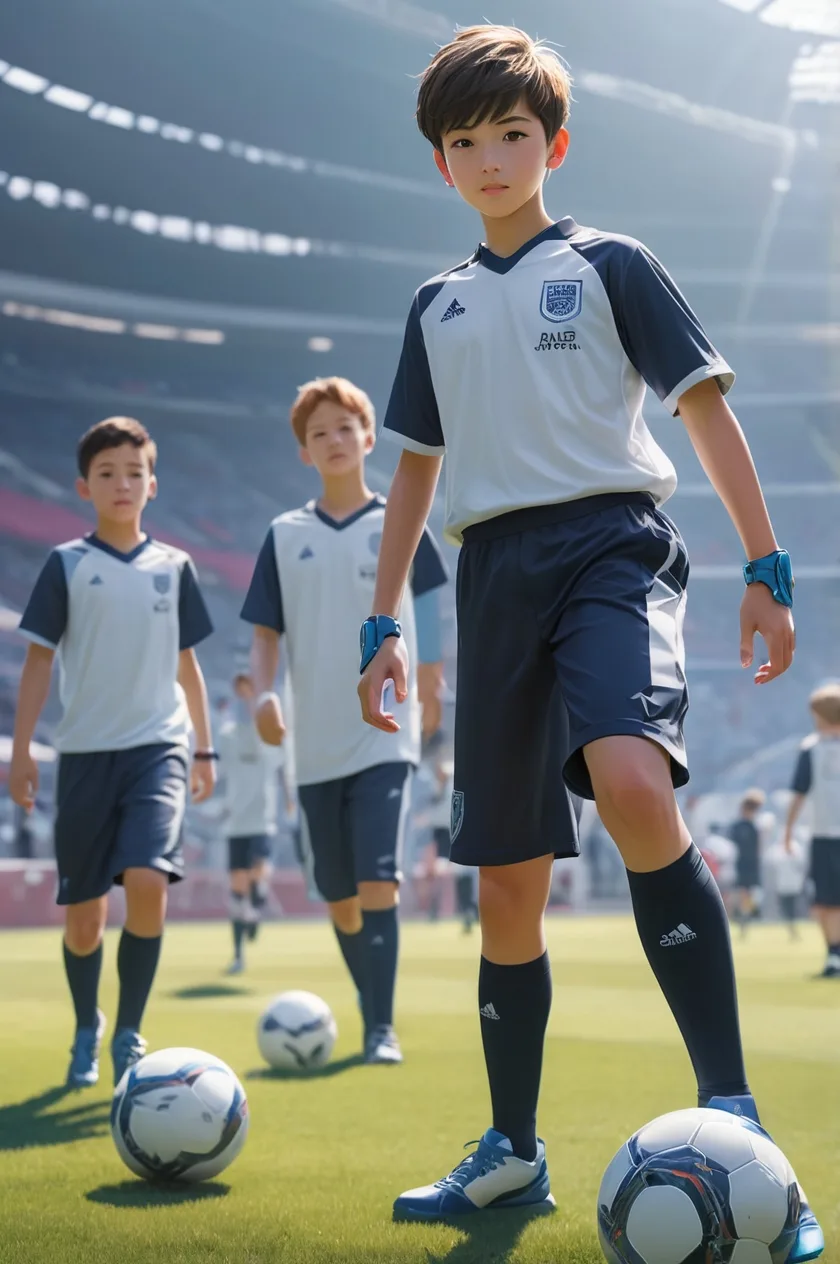
Sports Practice Conversation – English Conversation Practice for Beginners

Sports Practice Conversation – English Conversation Practice for Beginners

Sports and team activities are a universal part of daily life — and being able to talk about practice sessions, team goals, and game preparation confidently in English is a valuable skill for students, athletes, and anyone who enjoys sports. Whether you are on a school team, a community sports club, or just exercising with friends, knowing how to communicate in English during sports settings builds real-world confidence fast.

In this free conversation, teammates David and Leo chat before their football practice session. You will practice how to express excitement and readiness for sports practice using natural phrases like "I'm super excited for today's session" and "let's give our best today," discuss individual skill goals with a teammate — like practicing kicking or improving passing, talk about sports essentials like water bottles, hydration, and staying safe during training, appreciate a coach's role using encouraging language like "he always motivates us" and "his advice really helps us play better," and warm up together using teamwork phrases that are common in English-speaking sports environments. Every sentence is practical, energetic, and natural.

This conversation is perfect for students who play sports at school or college and want to discuss it in English, athletes who train with English-speaking teammates or coaches, and beginners who want to practice energetic, motivational everyday English in a sports context. No partner needed — pick David or Leo and start practicing with energy and enthusiasm!

Conversation Script

David
Hey Leo, are you ready for football practice today?
Leo
Yes, David! I’m super excited for today’s session.
David
Same here. I want to practice my kicking skills.
Leo
Good idea. I also need to improve my passing.
David
Did you bring your water bottle?
Leo
Yes, I did. Staying hydrated is important.
David
Great! I sometimes forget mine.
Leo
Don’t worry, I can share if you need.
David
Thanks, that’s really kind of you.
Leo
No problem. Teamwork starts even off the field!
David
True! By the way, who is coming as coach today?
Leo
Mr. Smith is coming. He always motivates us.
David
Oh nice, he gives good tips during practice.
Leo
Yes, his advice really helps us play better.
David
I hope we also get to do a practice match.
Leo
Me too! Playing matches is always fun.
David
Okay, let’s warm up before the coach arrives.
Leo
Sure, let’s do some stretches together.
David
Great idea! This will keep us strong and safe.
Leo
Exactly! Let’s go and give our best today.

Useful phrases & words with examples

1) Are you ready? — Asking if someone is prepared.
Example 1: Are you ready to start the practice now?
Example 2: Are you ready for the match this evening?

2) Super excited — Feeling very happy and eager.
Example 1: I am super excited to play in today’s game.
Example 2: She feels super excited about her first tournament.

3) Stay hydrated — Drink enough water to stay healthy.
Example 1: The coach reminded us to stay hydrated during practice.
Example 2: You must stay hydrated when you play for a long time.

4) That’s really kind of you — Polite way to appreciate someone’s help.
Example 1: You brought extra water, that’s really kind of you.
Example 2: Thanks for waiting for me, that’s really kind of you.

5) Teamwork — Working together as a group.
Example 1: Good teamwork helped us win the match.
Example 2: Teamwork is important in every sport.

6) Motivates us — Makes us feel encouraged and strong.
Example 1: Our coach motivates us to practice daily.
Example 2: His speech motivates us to do better.

7) Practice match — A friendly game to practice skills.
Example 1: We will play a practice match before the final game.
Example 2: The team learned a lot from the practice match.

8) Warm up — Light exercise before playing.
Example 1: We always warm up before starting the game.
Example 2: A short warm up helps prevent injuries.

9) Give our best — Try very hard to succeed.
Example 1: Let’s give our best in today’s match.
Example 2: We promised to give our best till the end.

10) Strong and safe — Feeling healthy and protected.
Example 1: Regular exercise keeps us strong and safe.
Example 2: Wearing safety gear helps players stay strong and safe.

← Back to Health & Fitness Conversations

Easy english sentences for better fluency

Base sentenceAlternative way to sayReal-Life example sentence
Need to improveHave to get betterI have to get better at speaking English.
Need to work onI need to work on my confidence.
Must improveI must improve my writing skills.
Need to developI need to develop better habits.
Have room to improveMy pronunciation still has room to improve.
Need more practiceI need more practice before the test.
Should get betterI should get better with time management.
By the wayBy the way, I forgot to sayBy the way, I forgot to say thank you.
On another noteOn another note, the meeting is canceled.
Just to addJust to add, the shop closes early.
One more thingOne more thing, don’t forget your file.
Before I forgetBefore I forget, call me tonight.
By the way, listenBy the way, listen to this news.
A quick reminderA quick reminder about tomorrow’s plan.
Let’s warm upLet’s get startedLet’s get started with the exercise.
Let’s begin with a warm-upLet’s begin with a warm-up round.
Let’s prepare firstLet’s prepare first before playing.
Let’s stretch a bitLet’s stretch a bit before running.
Let’s loosen upLet’s loosen up our muscles.
Let’s get readyLet’s get ready for the match.
Let’s do a quick warm-upLet’s do a quick warm-up before training.


Frequently Asked Questions – Sports Practice English Conversation

Q1. How do you talk about sports practice in English?

Use enthusiastic, natural language: "Are you ready for practice today?" "I want to work on my kicking skills" or "I need to improve my passing." You can also discuss the session: "I hope we get to do a practice match — those are always the most fun." Sports conversations in English tend to be high-energy and motivational — using words like "excited," "ready," "improve," and "give our best" makes your language sound natural and enthusiastic to any teammate or coach.

Q2. How do you talk about your sports skills in English?

Be honest and specific: "I am good at defending but I need to work on my shooting" or "My passing is improving but I still struggle with long-distance shots." You can ask for tips: "Do you have any advice for improving my kicking technique?" Being able to honestly assess and discuss your own skills in English shows self-awareness and a growth mindset — qualities that are valued in both sports and professional settings.

Q3. What does "warm up" mean in sports English and how do you use it?

A warm-up is a set of light exercises done before the main training session to prepare your body and reduce the risk of injury. In conversation: "Let's warm up before the coach arrives" or "Always start with a 10-minute warm-up before any intense exercise." Common warm-up activities include stretching, light jogging, and jumping jacks. Knowing sports safety vocabulary like "warm-up," "cool down," and "stretch" makes you sound knowledgeable in any English-speaking sports environment.

Q4. How do you talk about a sports coach in English?

Describe your coach positively and specifically: "Mr. Smith always motivates us during practice" or "Our coach gives really practical tips that help us improve our game." You can also say: "Coach always reminds us that teamwork is more important than individual performance." Knowing how to discuss a coach's role, style, and impact in English is important for school sports conversations, team discussions, and even job interviews where teamwork and leadership are discussed.

Q5. How do you encourage a teammate in English?

Use natural motivational phrases: "Come on, you've got this!" "Let's give our best today!" or "That was a great pass — keep it up!" You can also say: "Don't worry about that miss — just stay focused and it'll come." Encouragement in English sports conversations tends to be direct, energetic, and positive. Phrases like "teamwork starts even off the field!" — as Leo says in the conversation — show the kind of team spirit and camaraderie that makes sports conversations in English feel genuine and inspiring.